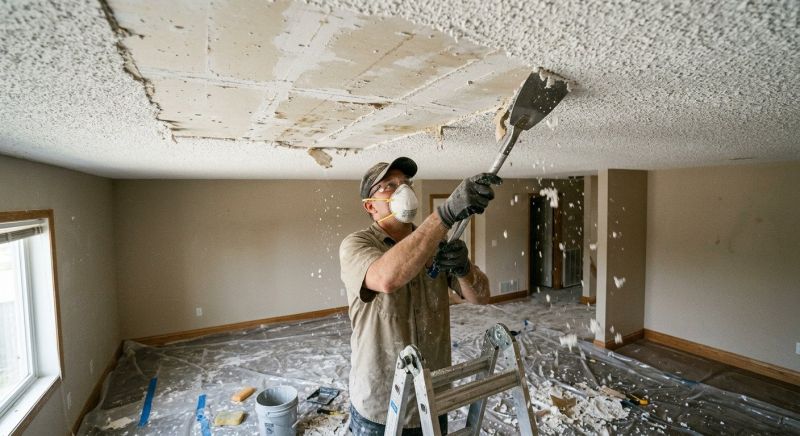
Textured Ceiling Removal in Denver County, CO
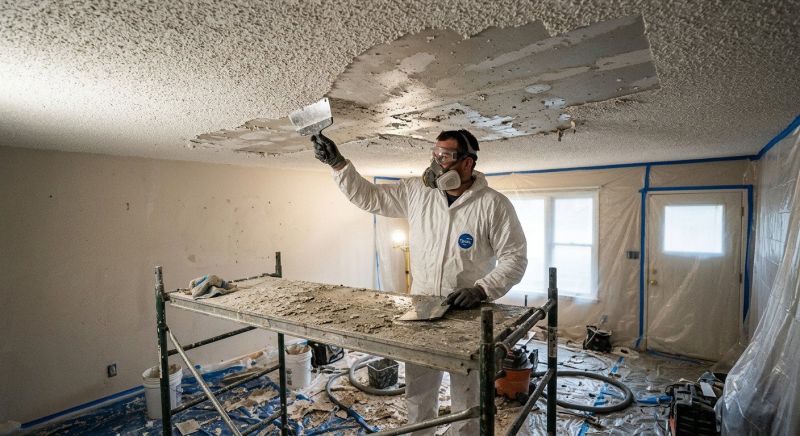
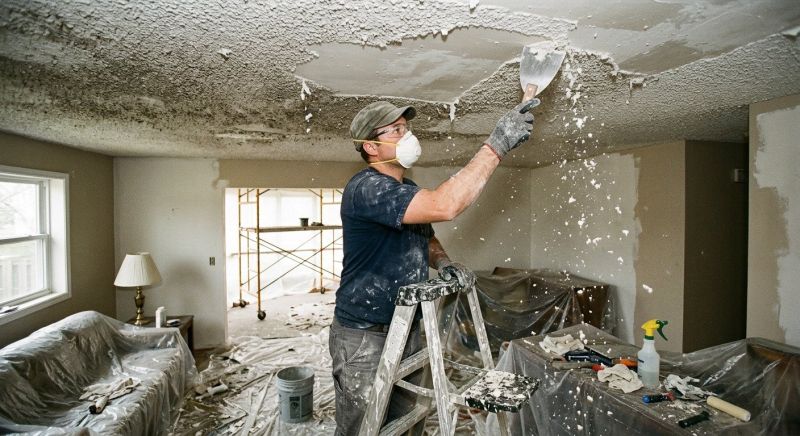
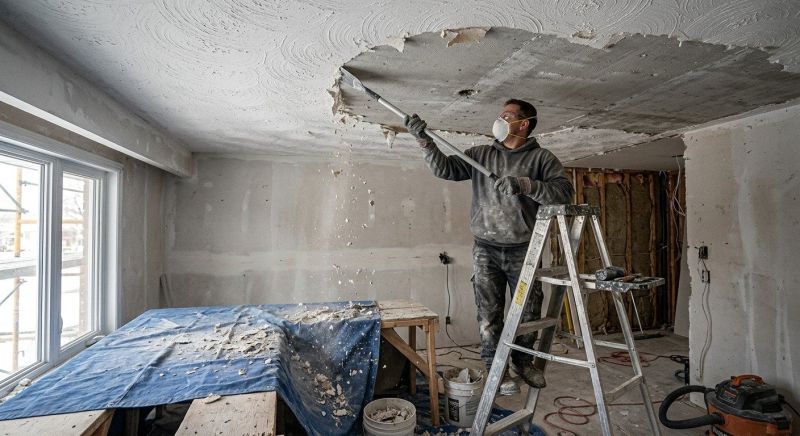
Textured ceiling removal is a service that involves carefully stripping away existing textured finishes from ceilings, often to create a smoother, more modern appearance. This process typically covers residential projects such as updating older homes, preparing ceilings for new paint, or improving overall interior aesthetics. Property owners usually want to understand the scope of the removal, the potential for ceiling damage, and the necessary preparation or finishing work afterward to ensure a clean, professional result.
Before requesting textured ceiling removal, homeowners should consider factors like the type of texture applied, potential asbestos concerns in older materials, and the level of surface preparation required for a seamless finish. It’s also helpful to inquire about the process for repairing any imperfections or damage caused during removal, as well as the finishing steps needed to achieve a smooth ceiling surface suitable for painting or decorating.
Many property owners in Denver County, CO look into Textured Ceiling Removal for repairs, replacements, upgrades, and appearance-related improvements.
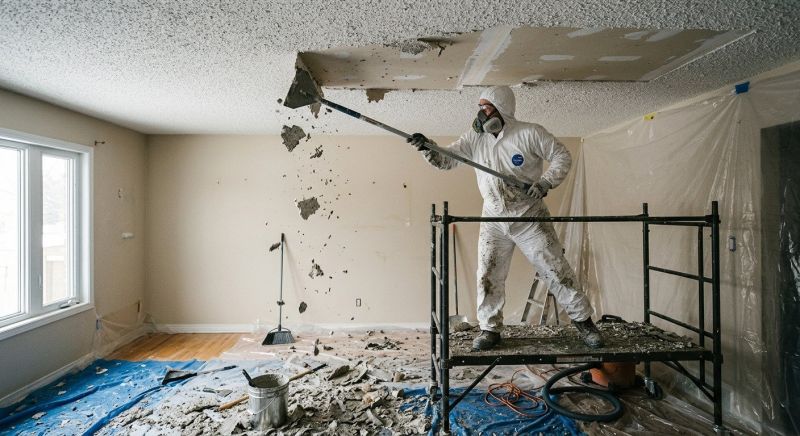
Benefits Of Textured Ceiling Removal
Removing textured ceilings can create a cleaner, more modern look for homes in denver county, co.
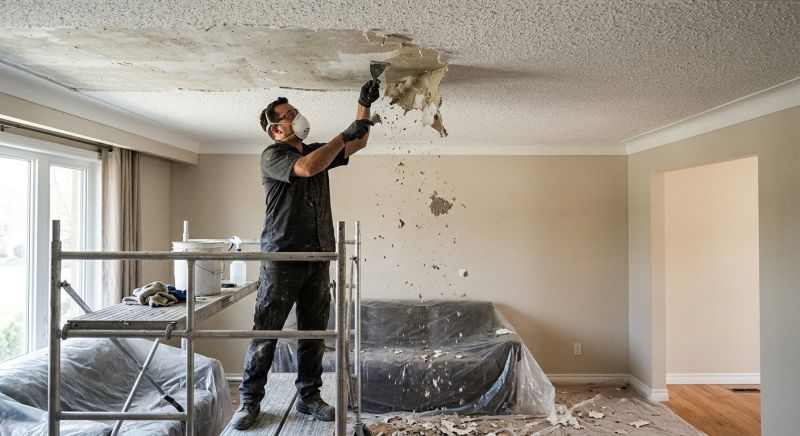
Common Projects For Ceiling Refinishing
Many property owners opt for textured ceiling removal when updating living rooms, kitchens, or bedrooms.
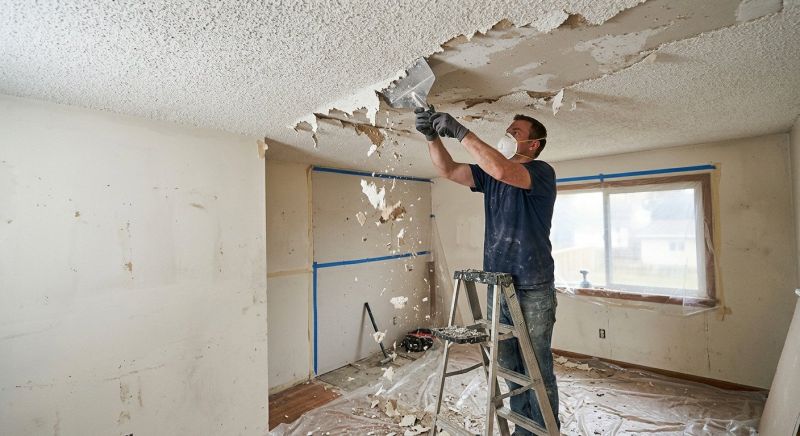
Considerations Before Removal
It's important to assess the ceiling material and potential for asbestos before removing textured finishes in denver homes.
Textured Ceiling Removal in Denver County, CO

Textured ceiling removal is a service that involves carefully stripping away existing textured finishes from ceilings, often to create a smoother, more modern appearance. This process typically covers residential projects such as updating older homes, preparing ceilings for new paint, or improving overall interior aesthetics. Property owners usually want to understand the scope of the removal, the potential for ceiling damage, and the necessary preparation or finishing work afterward to ensure a clean, professional result.
Before requesting textured ceiling removal, homeowners should consider factors like the type of texture applied, potential asbestos concerns in older materials, and the level of surface preparation required for a seamless finish. It’s also helpful to inquire about the process for repairing any imperfections or damage caused during removal, as well as the finishing steps needed to achieve a smooth ceiling surface suitable for painting or decorating.
Many property owners in Denver County, CO look into Textured Ceiling Removal for repairs, replacements, upgrades, and appearance-related improvements.
Common Textured Ceiling Removal Jobs
Textured Ceiling Removal - Smooths out popcorn or other textured ceilings for a modern look.
Popcorn Ceiling Removal - Eliminates outdated popcorn textures to update interior spaces.
Texture Removal Services - Prepares ceilings for painting or new finishes by removing old textures.
Ceiling Texture Removal - Addresses uneven or damaged textures for a clean, uniform appearance.
Old Ceiling Texture Removal - Restores ceilings to a flat surface for improved aesthetics.
Ceiling Refinishing - Provides a seamless, smooth ceiling surface after texture removal.
Textured Ceiling Removal Questions
What is textured ceiling removal? It involves safely removing textured finishes from ceilings to create a smooth surface suitable for painting or other finishes.
Why consider removing textured ceilings? Removing textured ceilings can improve the appearance of a space and provide a clean, modern look.
What types of textures can be removed? Common textures like popcorn or stipple can be removed, leaving a flat ceiling surface.
Is textured ceiling removal messy? Proper techniques help minimize mess, but some dust and debris are typical during the process.
Request Textured Ceiling Removal in Denver County, CO
Use the quote form on this page to share the basics of your project and request more information for the type of work you need.